Quick answer
The Sognefjord cruise port is accessible 24 hours daily year-round with free entry, as it operates within a public fjord area rather than a gated terminal. The best arrival window is 08:00–10:00, when early morning light enhances photography of the steep mountain walls and the probability of encountering midday cruise crowds is lower. No entrance fees apply to the fjord itself or the surrounding port infrastructure.
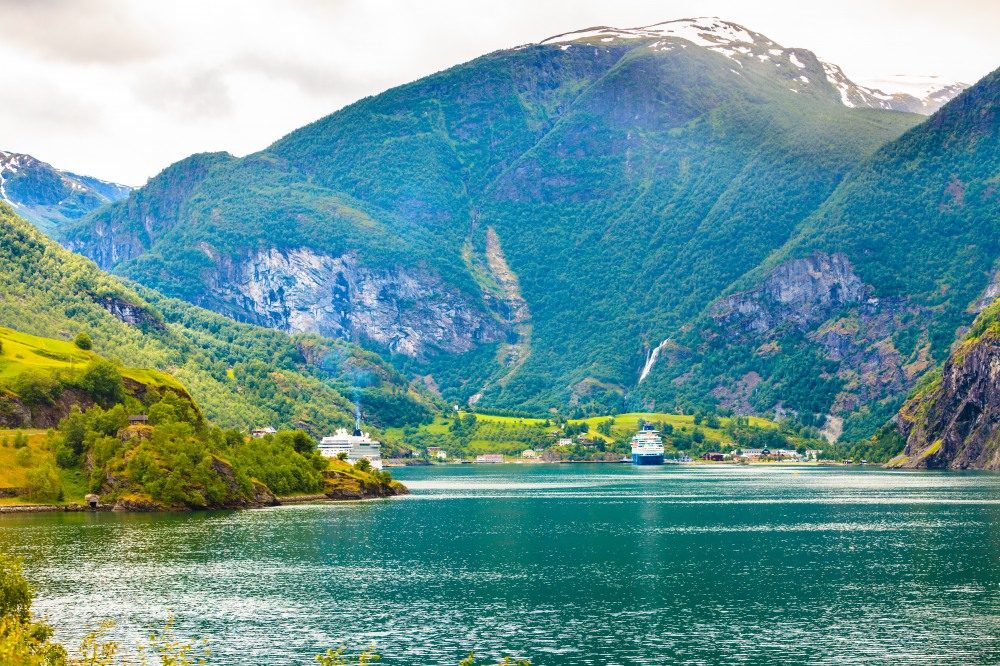
Cruise ships calling at Sognefjord typically anchor in the main channel rather than docking at a fixed pier, with tender boats ferrying passengers to shore points in villages like Flåm, Balestrand, or Aurland. The port infrastructure spans multiple small settlements rather than concentrating in a single terminal building, so your actual landing point depends on your ship's itinerary and the day's weather conditions. The fjord's geography creates a microclimate that cruise schedulers watch closely. Steep valley walls rising more than 1,400 meters can cast morning shadows over certain anchorages, while others catch golden light as early as 07:00 in summer. Port agents recommend the 08:00–10:00 window because it balances visibility with logistics: shore excursions depart efficiently, independent travelers find transportation options fully operational, and the iconic Flåm Railway's first departures align with early tender schedules. Afternoon arrivals often coincide with multiple ships, compressing village infrastructure and extending wait times for popular attractions. Vestland's maritime regulations treat the fjord as open water, so no ticketing or access fees apply to the cruise port itself. What passengers pay for are organized excursions, museum entries in port villages, or services like the Flåm Railway and Stegastein viewpoint shuttles. The absence of a formal terminal means amenities vary by landing point—Flåm offers the most developed visitor infrastructure, while smaller stops like Undredal provide authentic village atmosphere with limited facilities. Weather shifts rapidly in the narrow fjord corridor. Morning fog can delay tender operations, and autumn squalls sometimes force itinerary changes. Cruise lines monitor conditions in real time, but passengers should pack layers and waterproofs regardless of the forecast. The reward for that vigilance is access to one of Europe's most dramatic coastal landscapes, where vertical cliffs plunge directly into water depths exceeding 1,300 meters and waterfalls cascade from unseen plateaus above.
“The fjord's vertical cliffs plunge directly into water depths exceeding 1,300 meters, creating one of Europe's most dramatic coastal profiles.”
Best Time to Visit the Sognefjord Cruise Port
The best arrival window for visiting the Sognefjord cruise port is 08:00–10:00 to capitalize on optimal lighting for photography and to avoid the peak cruise passenger crowds that arrive later in the day.
May to June
Moderate visitor numbersCool, 8°C to 15°C
Long daylight hours provide extended time for exploration before peak crowds arrive.
July to August
Highest seasonal crowdsMild, 12°C to 18°C
This period experiences the most stable weather but requires early morning arrival to manage density.
September
Decreasing visitor numbersCooling, 6°C to 12°C
Autumn colors appear along the fjord, and cruise traffic begins to decline.
Weekday mornings
Lower passenger density—
Arriving between 08:00 and 10:00 minimizes congestion from larger vessels and provides the best light.
Verdict: For the optimal experience, plan your arrival between 08:00–10:00 during the shoulder months of May or September.
Entrance Fees and Costs for Sognefjord Cruise Port
Access to the Sognefjord cruise port area and the fjord itself is public and does not require an admission ticket. There are no official entrance fees for visitors entering this area.
Notable Sights Near Sognefjord Cruise Port
Sognefjord offers access to diverse natural landscapes and historic cultural sites. These landmarks represent the primary geographic and structural points of interest surrounding the cruise port area.
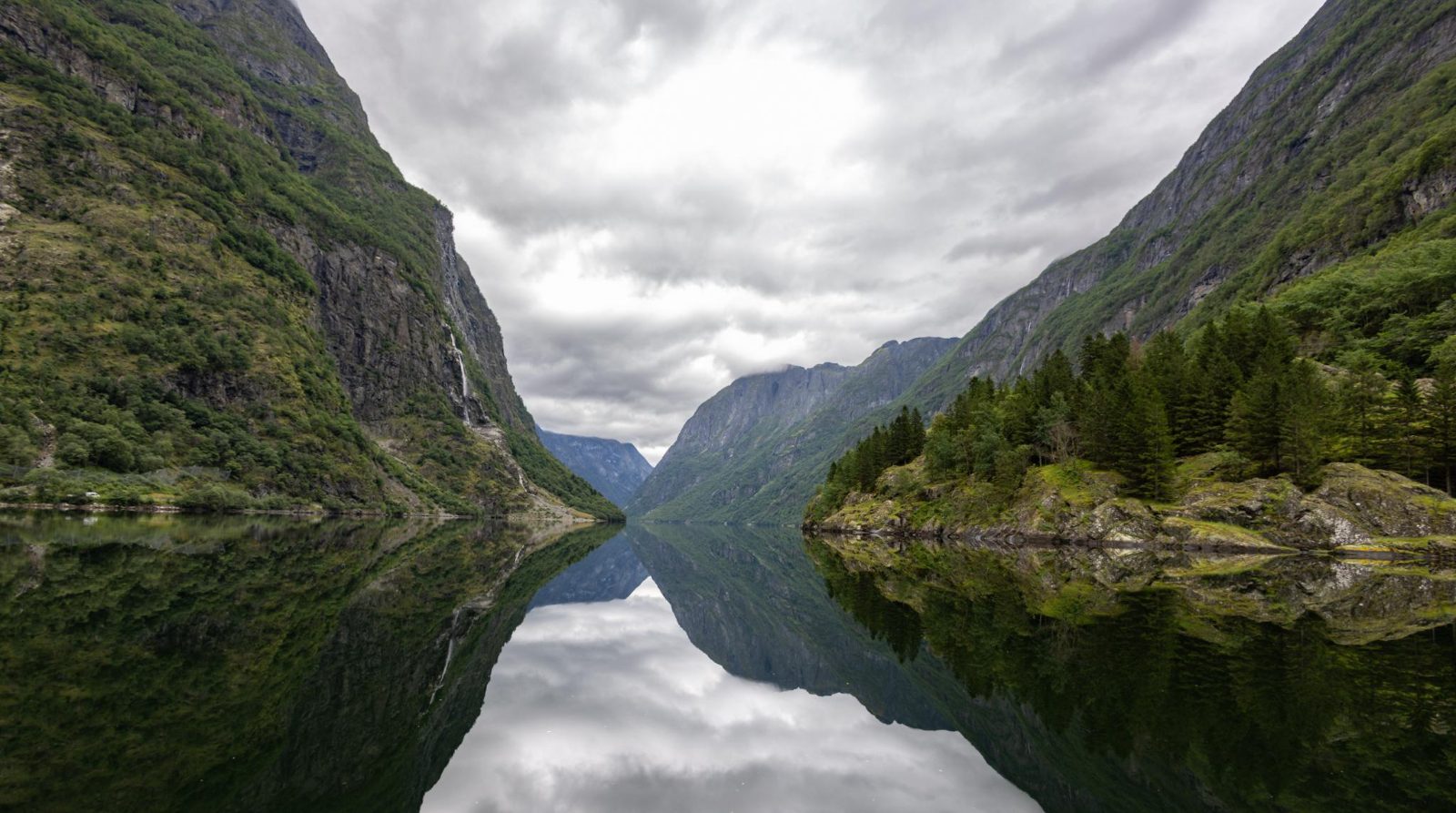
Nærøyfjord
A narrow branch of the Sognefjord, this UNESCO World Heritage site is characterized by steep mountains and traditional farmsteads.
View from the top deck during transit for optimal landscape perspective.
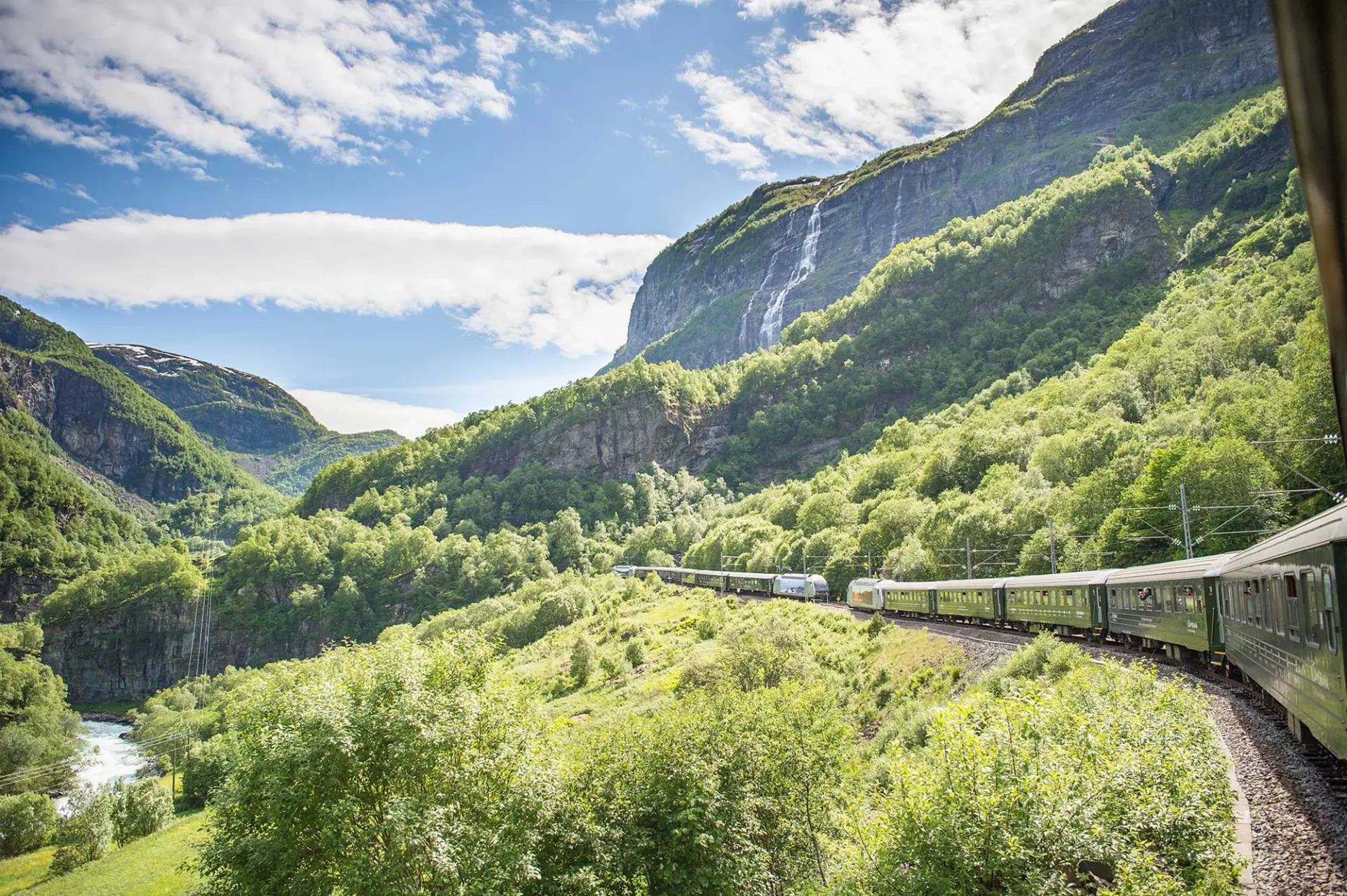
Flåm Railway
This railway line connects the fjord to the high mountains, passing through deep valleys and past the Kjosfossen waterfall.
Sit on the right side when ascending for superior valley views.
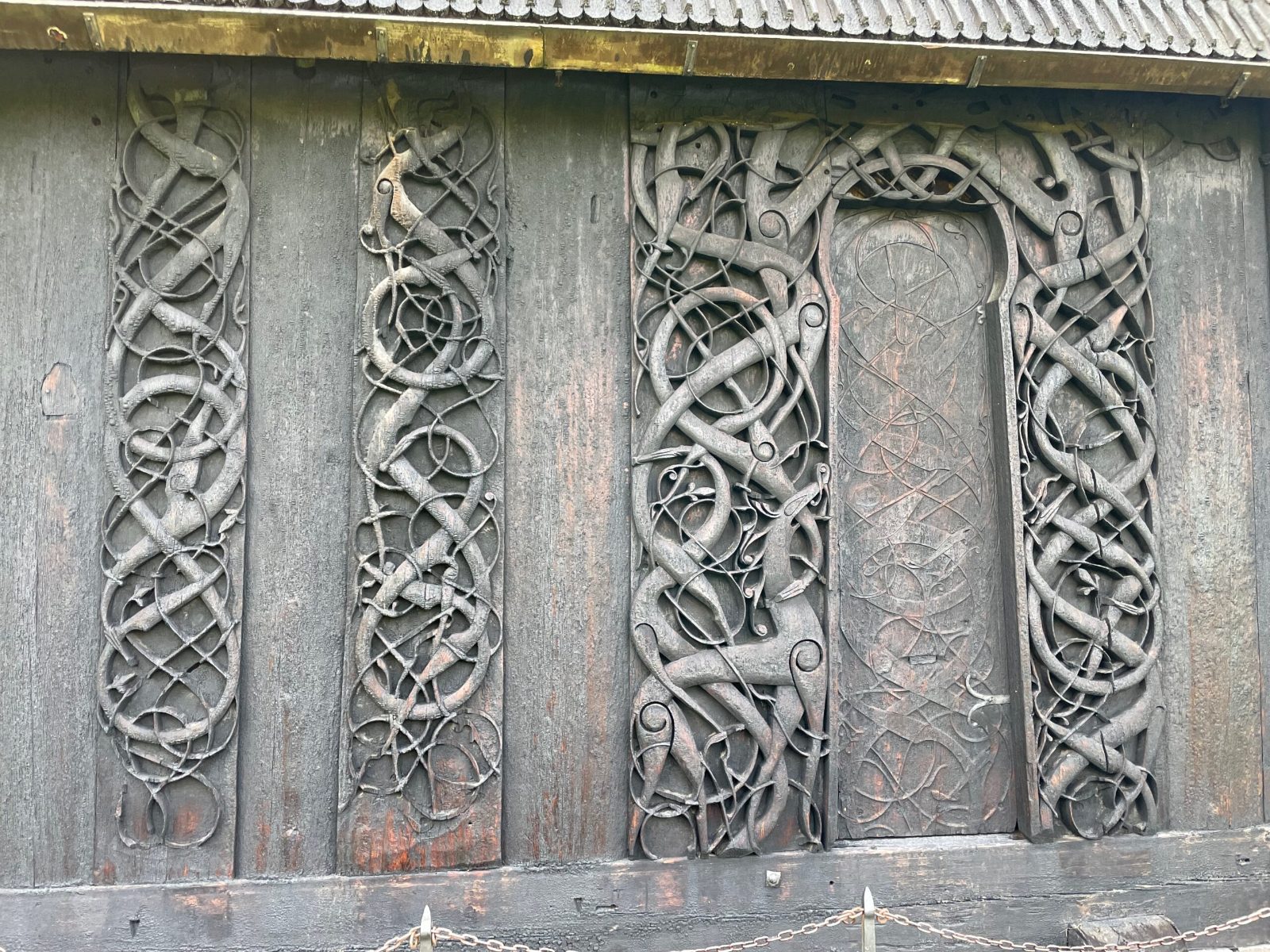
Urnes Stave Church
Located along the Lustrafjord, this 12th-century wooden structure is the oldest of its kind in Norway.
Walk to the north side of the exterior for detailed carvings.
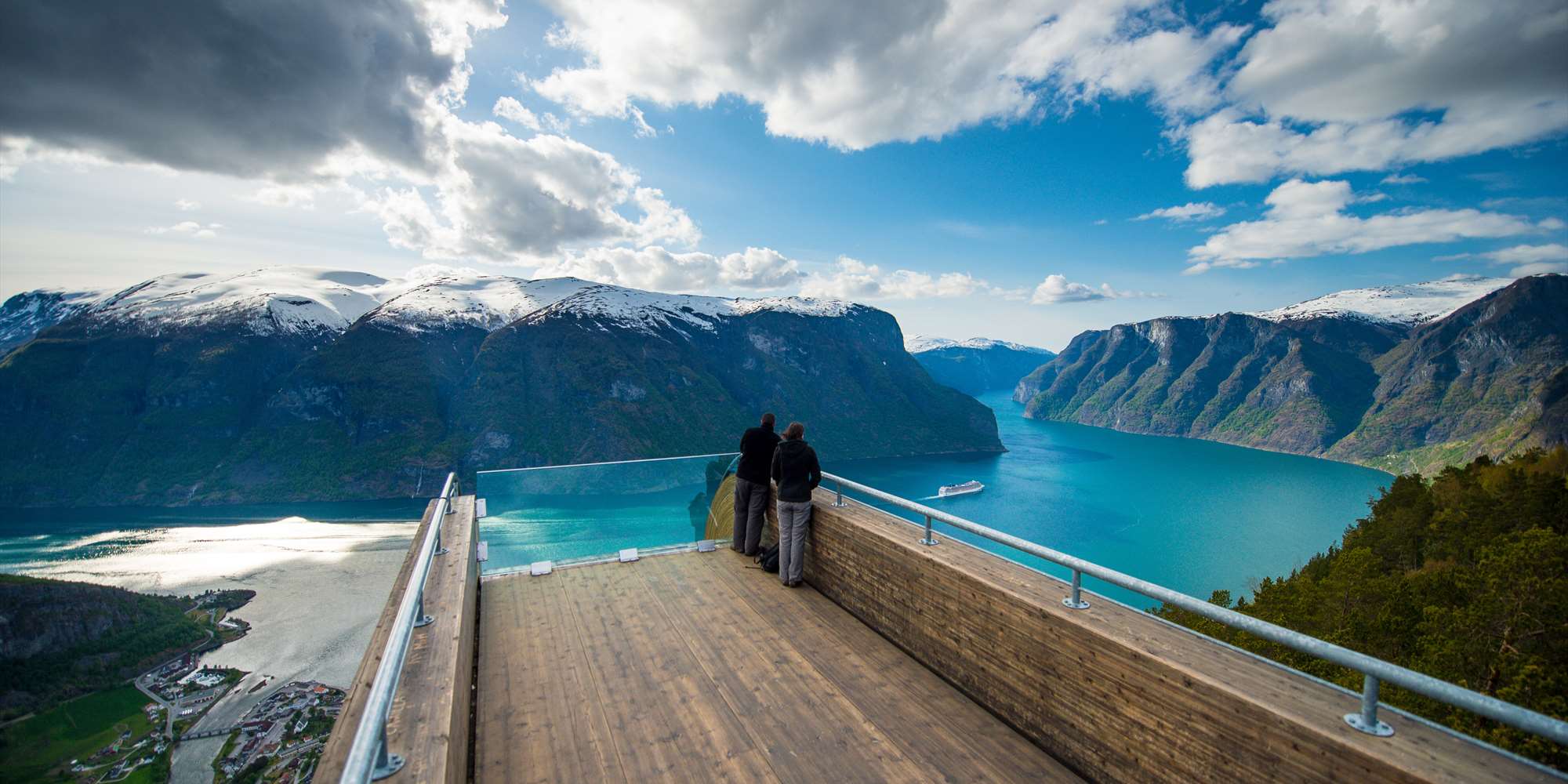
Stegastein Viewpoint
An architectural platform extending over the Aurlandsfjord that provides an elevated panoramic vantage point.
Visit during the early arrival window to avoid midday tour groups.
Nearby Attractions Near Sognefjord Cruise Port
Visitors often extend their time in the Sognefjord region by exploring historic architecture and mountain landscapes located within reach of the cruise port. These sites provide cultural and geographical context to the fjord environment.
Flåm Railway
This historic railway offers a steep ascent from the fjord level, providing views of waterfalls and mountain terrain that complement a cruise visit.
Urnes Stave Church
As a UNESCO World Heritage site, this 12th-century wooden church sits across the fjord and offers insight into medieval Norwegian craftsmanship.
Stegastein Viewpoint
This platform extends over the Aurlandsfjord, offering a perspective of the cruise route from an elevated position above the water.
Nærøyfjord
This narrow branch of the Sognefjord is accessible for shorter excursions and provides a closer look at the steep valley walls and small settlements.
Visitor Checklist for Sognefjord Cruise Port
The fjord's exposed conditions and shifting weather require gear that handles wind, rain, and bright reflections off the water.
-
Pack layered waterproof clothing — Temperatures drop quickly on the water and rain is common year-round.
-
Bring polarizing filter for camera — Reduces glare from the fjord surface and enhances color contrast.
-
Wear non-slip deck shoes — Wet surfaces on boats and piers become slippery in typical fjord mist.
-
Carry a lightweight windbreaker — Wind funnels through the narrow fjord corridor even on calm days.
-
Include a charged power bank — Limited charging points along the waterfront and aboard smaller vessels.
-
Store electronics in waterproof bags — Spray from the fjord and sudden showers can damage unprotected devices.
Check availability
Frequently asked questions about sognefjord cruise port
Everything you need to know about sognefjord cruise port