Quick answer
The norwegian fjords cruise route through Sognefjord runs 205 kilometers from the outer coast near Solund to the innermost point at Skjolden, with major branch routes into Aurlandsfjord, Nærøyfjord, and Fjærlandsfjord. Most operators sail the full main channel in 6-8 hours one way, though shorter segments and branch excursions allow flexible itineraries. The fjord remains navigable year-round, with morning departures between 08:00-10:00 offering the best natural light and calmer waters before afternoon wind patterns develop.
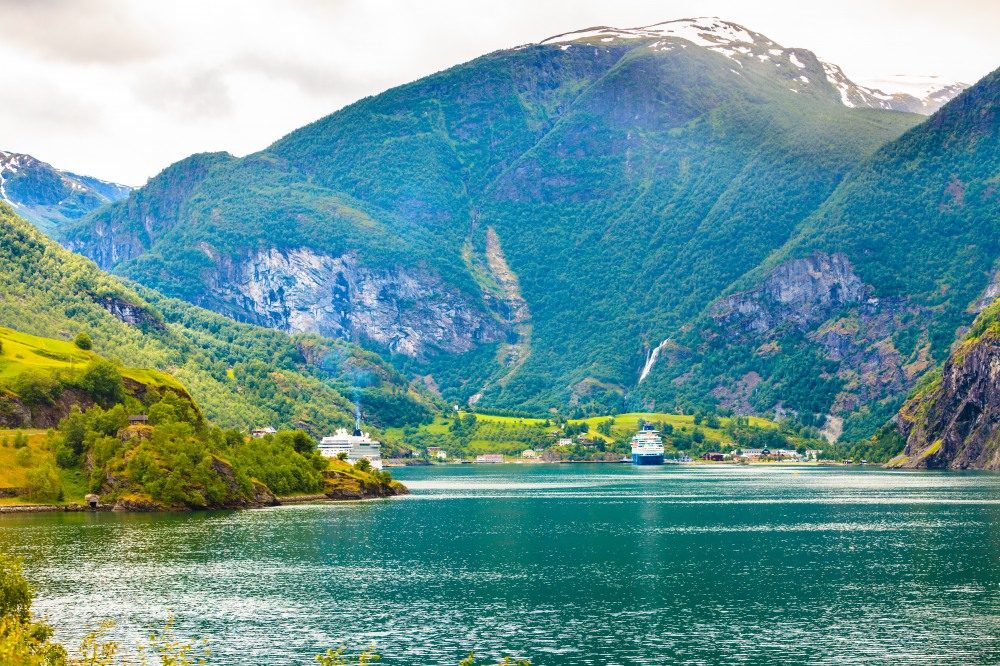
Sognefjord divides into distinct navigation zones, each offering different coastal geology and settlement patterns. The outer section from Solund to Balestrand crosses open water with views of the Jostedalsbreen glacier's southern edge, while the inner channel narrows dramatically past Leikanger toward the head at Skjolden. Cruise operators typically structure itineraries around three key branch routes: the UNESCO-protected Nærøyfjord, recognized for cliffs rising 1,400 meters directly from water; Aurlandsfjord, which provides access to Flåm and the railway connection; and Fjærlandsfjord in the north, terminating at the Norwegian Glacier Museum. The fjord cruise route through Sognefjord follows a well-marked deepwater channel maintained for year-round navigation. Depths exceed 1,300 meters in the main basin near Høyanger, making this one of the deepest fjord passages in the world. Most vessels maintain a steady 15-18 knots through the central channel, slowing to 8-10 knots when entering narrow branch fjords where wake restrictions protect shoreline structures. Morning light angles favor photography along the northern cliffs between Balestrand and Sogndal, while afternoon sun illuminates the southern slopes near Vik and Vangsnes. Seasonal ice never closes the main waterway, but winter sailings encounter shorter daylight windows and occasional snow squalls that reduce visibility below safe navigation standards. Autumn shoulder months see stable weather patterns and thinner vessel traffic, particularly after the September cruise season taper. Local ferry services operate the same route year-round on fixed schedules, offering an alternative to chartered excursion vessels for travelers prioritizing function over commentary. Branch fjord access depends on draft and beam; Nærøyfjord's minimum width of 250 meters limits the largest cruise ships to the outer sections, while smaller expedition vessels and ferries navigate the full length to Gudvangen. Port infrastructure concentrates at Flåm, Balestrand, and Sogndal, where pontoon moorings accommodate vessels up to 200 meters. Smaller landings at Aurland, Lærdal, and Fjærland handle regional ferry traffic but lack facilities for overnight docking. Cruise itineraries coordinate with rail and bus connections at Flåm, where the Flåm Railway provides the primary link to Bergen and Oslo rail networks.
“Depths exceed 1,300 meters in the main basin near Høyanger, making this one of the deepest fjord passages in the world.”
Optimal Timing for Your Norwegian Fjords Cruise Route
The most effective time to experience the Sognefjord is between 08:00 and 10:00 to secure optimal morning light and reduced crowd density. Planning your visit during the shoulder seasons provides a balance between accessible conditions and tranquil surroundings.
May to June
Moderate; early season arrivalsCool, 8°C–15°C; long daylight hours
Spring brings melting snow and waterfalls. These months offer extended daylight for navigation.
July to August
High; peak summer cruise trafficMild, 12°C–20°C; frequent daylight
This period sees the highest visitor numbers. Early arrivals are essential to manage volume.
September to October
Low; quiet and peacefulChilly, 5°C–12°C; changing foliage
Autumn provides stable conditions and clear air. Lower traffic levels allow for a more solitary experience.
Weekday mornings
Low; quiet fjord waters—
Arriving between 08:00–10:00 maximizes light quality. This window consistently avoids peak afternoon congestion.
Verdict: For the best balance of light and low visitor density, aim for an 08:00–10:00 arrival during the shoulder months of May or September.
Recommended Norwegian Fjords Cruise Route Itinerary
This plan suits travelers departing from Flåm or Balestrand for a day-long fjord exploration, returning by evening. Total duration is approximately 8–10 hours depending on your chosen route and stops.
Board your vessel
Arrive during the recommended morning window to secure a good viewing position and benefit from softer light on the water. Most cruises depart Flåm or Balestrand around this time.
Navigate the inner fjord
Pass beneath towering cliffs and waterfalls as your vessel moves deeper into Sognefjord. Keep your camera ready for close-ups of cascading water and narrow side arms.
Midday anchorage or transit
Many routes pause at a small village like Aurland or continue toward Nærøyfjord, a UNESCO-listed branch. Use this window for lunch on board or ashore if docking.
Explore side fjords
Nærøyfjord and other tributaries offer narrower channels and closer rock faces. This segment provides the most dramatic scenery of the journey.
Return leg begins
The boat turns back toward your departure point. Afternoon light shifts, casting different shadows on the cliffs you saw earlier.
Disembark and depart
Dock back at Flåm, Balestrand, or your chosen harbor. Allow time for any onward bus or train connections if continuing your trip.
Norwegian Fjords Cruise Route Costs and Fees
Access to the Sognefjord itself is free of charge, as it is a natural waterway. Costs are strictly associated with the transport services chosen for your cruise route.
Individual transport costs vary based on the specific cruise operator and itinerary selected.
Key Sights Along the Norwegian Fjords Cruise Route
The Sognefjord route reveals diverse landscapes ranging from narrow, steep-walled passages to expansive glacial arms. These key locations define the journey through Norway's longest and deepest fjord.
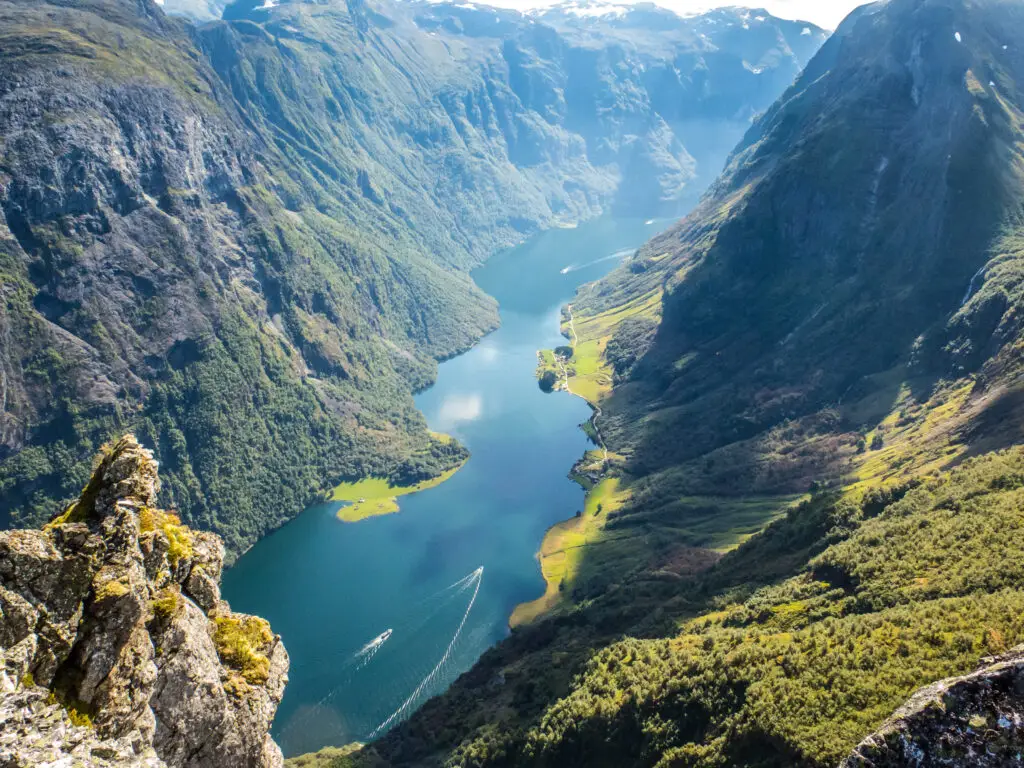
Nærøyfjord
A UNESCO World Heritage site known for its narrow width and towering mountains that rise directly from the water. It offers some of the most concentrated fjord scenery in the region.
View from the upper deck for unobstructed cliff perspectives.
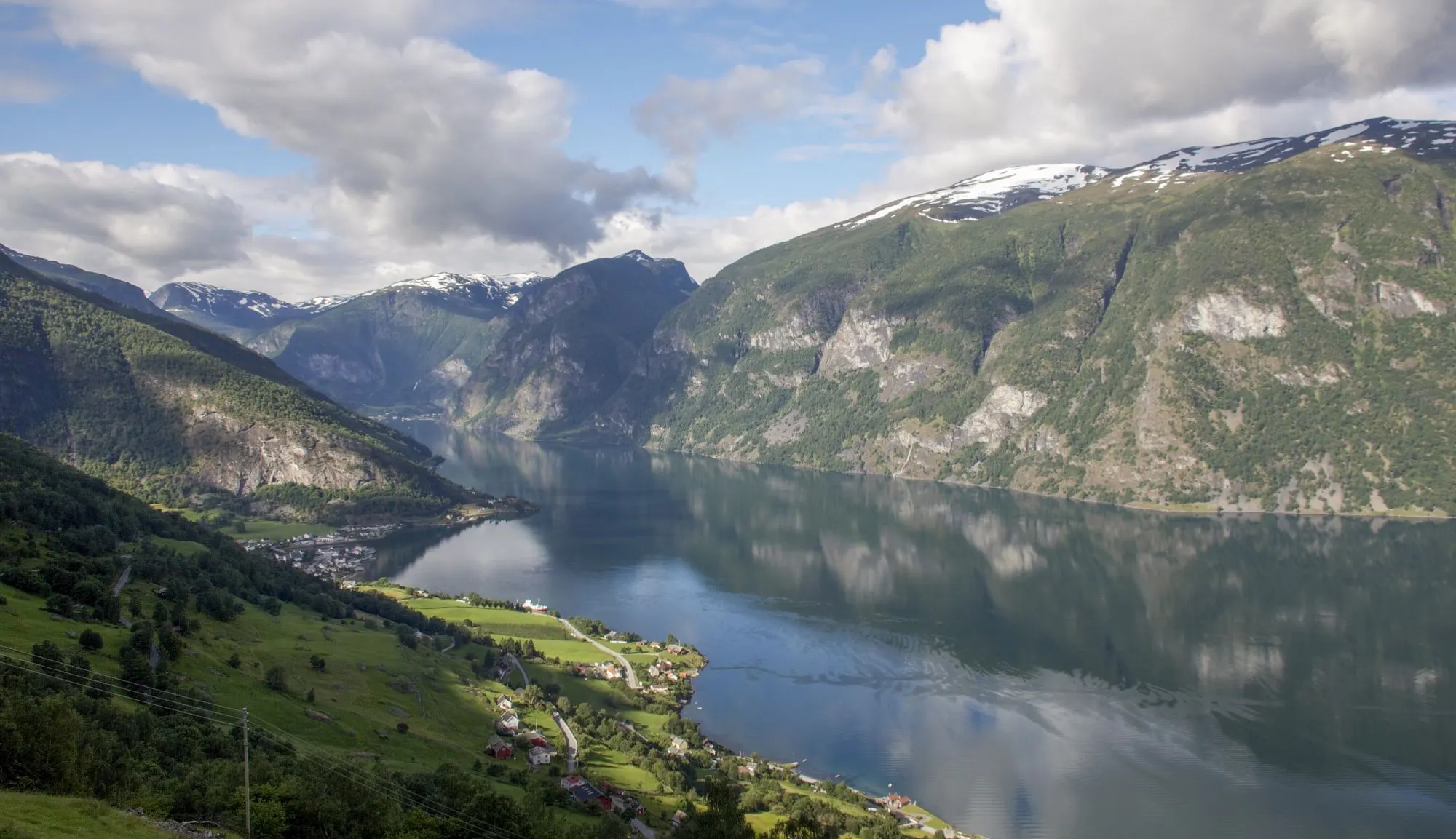
Aurlandsfjord
This branch extends toward the village of Flåm and is characterized by lush green slopes and deep blue waters. It serves as a primary access point for regional rail connections.
Position yourself on the port side for village views.
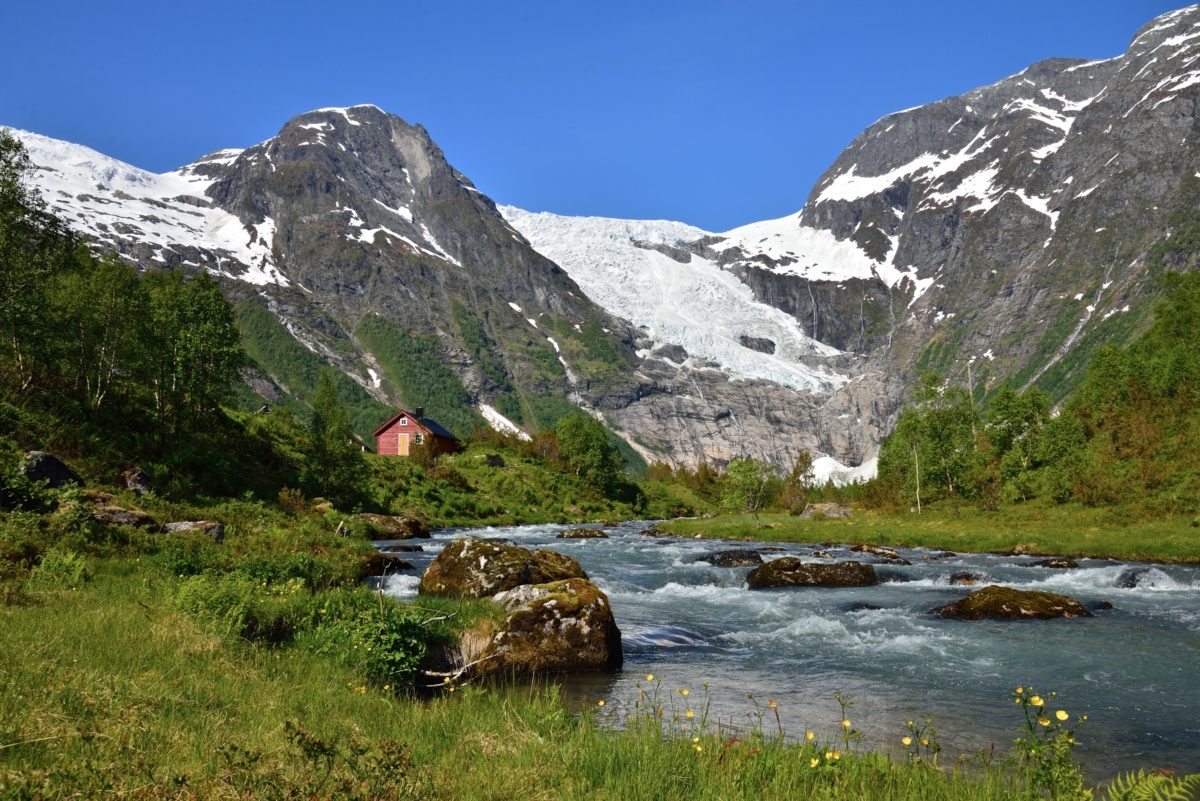
Fjærlandsfjord
This arm stretches toward the Jostedalsbreen glacier, providing a unique vantage point of both fjord waters and glacial landscapes. It is historically significant for its proximity to traditional mountain farming.
Watch for the transition from fjord water to glacial terrain.
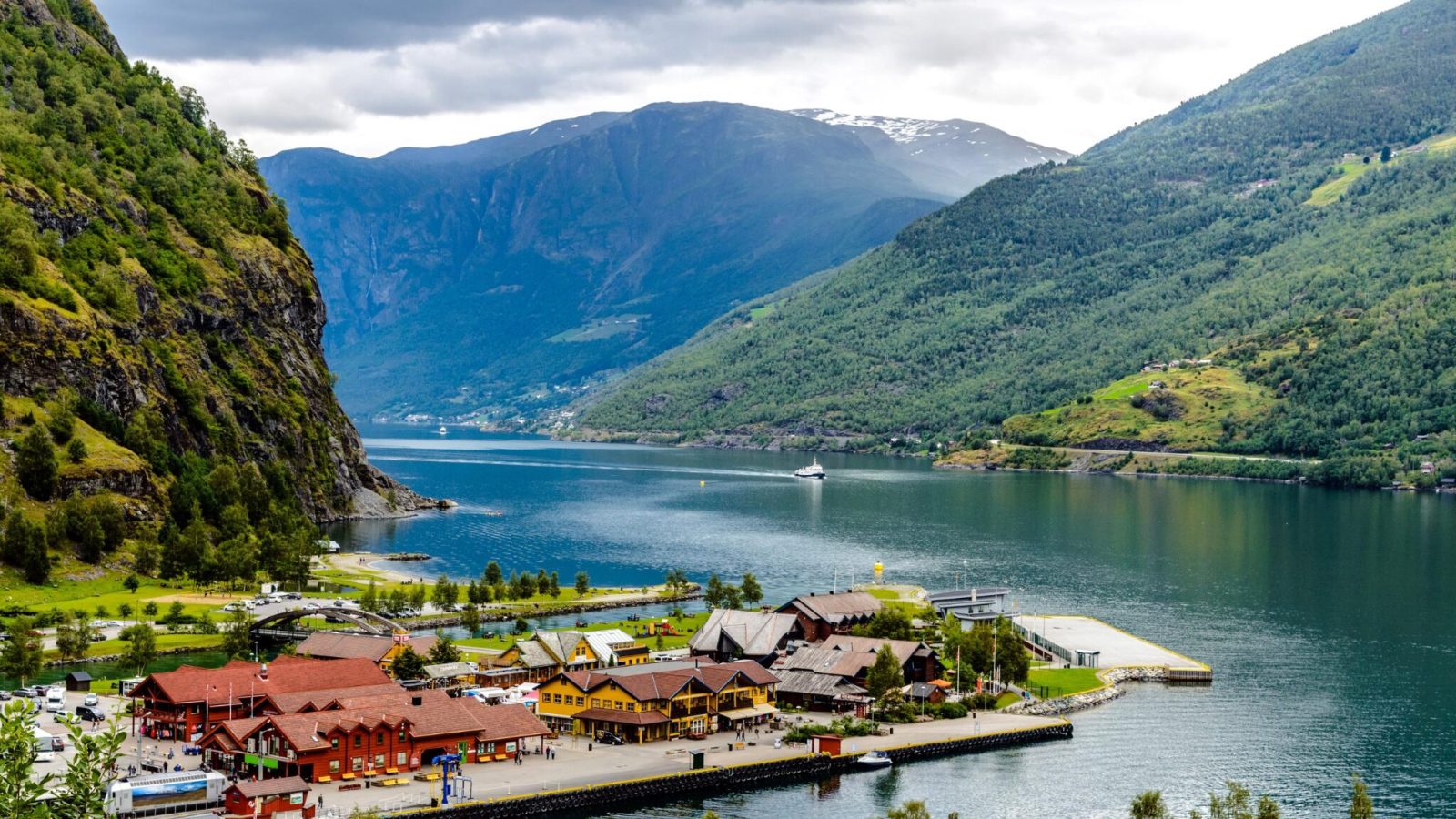
Kajakk and Village Access
Various small settlements like Gudvangen and Flåm provide glimpses into traditional Norwegian coastal life and architecture. These stops are essential for observing the integration of infrastructure within the fjord landscape.
Visit early to observe local life before larger vessels arrive.
Check availability
Frequently Asked Questions About the Sognefjord Cruise Route
Everything you need to know about norwegian fjords cruise route